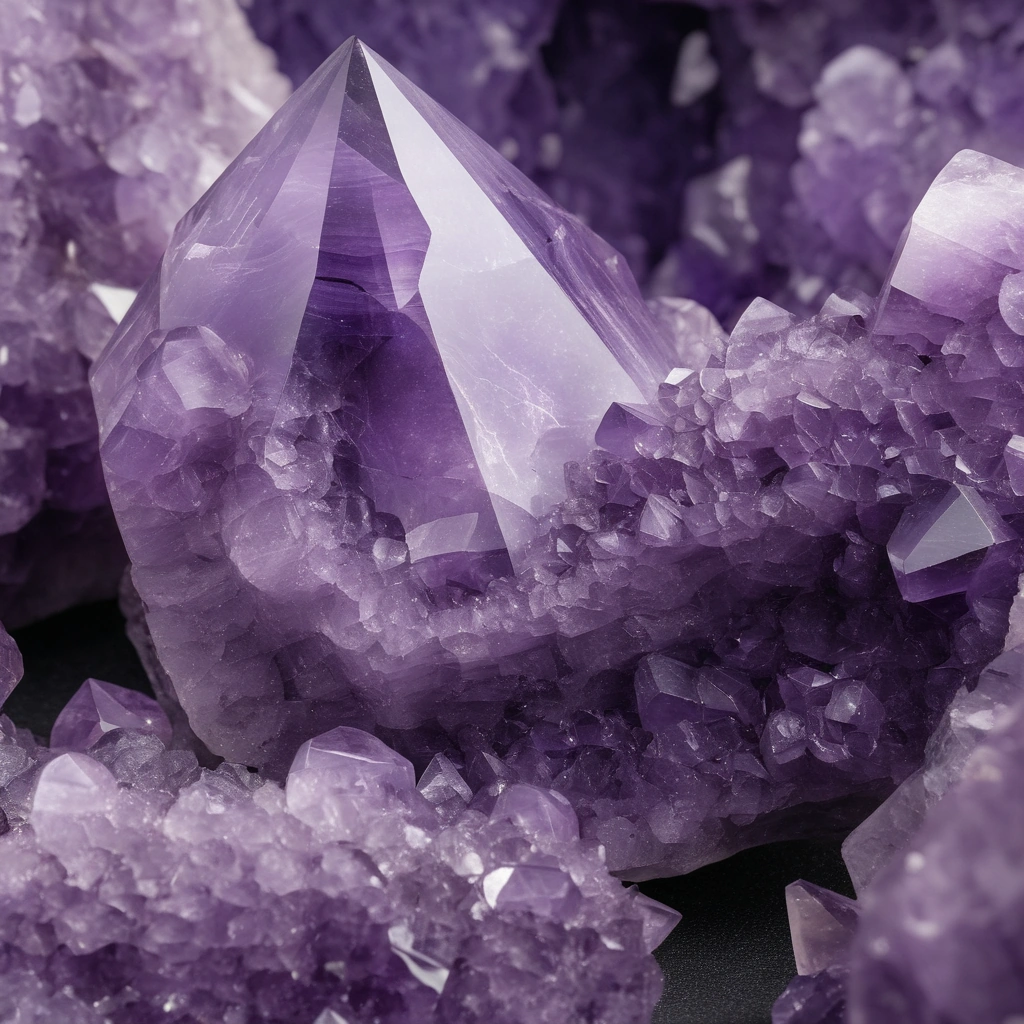
The Allure of Amethyst: A Violet Treasure
Amethyst, with its captivating violet hues, has been prized for millennia, adorning the crowns of royalty and inspiring spiritual contemplation. But beyond its aesthetic appeal lies a complex geological story, a tale of fiery volcanic activity and slow, patient crystallization. This article embarks on a journey to unlock amethyst’s secrets, exploring its formation, geological origins, and the global locations where this stunning gemstone can be found. For deck officers navigating the globe, understanding the geological forces shaping our planet adds another layer of appreciation for the world’s natural wonders.
Delving into the realm of mineralogy, amethyst’s story begins with quartz, one of Earth’s most abundant minerals. Its signature purple color, ranging from the palest lilac to the deepest violet, is a testament to the intricate interplay of iron impurities and natural irradiation within the crystal structure. According to Dr. Emily Carter, a renowned gemologist, “The intensity and distribution of the purple hue in amethyst are directly linked to the geological conditions present during its formation, making each crystal a unique record of Earth’s history.” The mining of amethyst, particularly in locations like Brazil, Uruguay, and Zambia, reveals not just gemstones, but also valuable insights into the hydrothermal processes that shaped these deposits.
The geological processes behind amethyst formation are fascinating. The gemstone is a product of hydrothermal activity, where superheated, silica-rich fluids circulate through volcanic rock. These fluids, laden with dissolved minerals, seep into gas cavities within cooling lava flows. As the temperature gradually decreases, quartz crystals begin to form, incorporating trace amounts of iron into their lattice structure. This iron, when exposed to natural radiation from surrounding rocks, undergoes a transformation that results in the creation of color centers, giving amethyst its characteristic purple color.
The slow and steady nature of this crystallization process, often taking place over millions of years, is what gives amethyst its exceptional clarity and brilliance. Understanding these processes allows us to appreciate the incredible journey of this gemstone from the Earth’s depths to the surface. Furthermore, the study of amethyst offers a practical application of geological principles. For example, the presence of amethyst deposits can often indicate the presence of other valuable minerals, making it a key indicator in mineral exploration. Mining operations in regions like Brazil and Uruguay, known for their large amethyst geodes, require a deep understanding of local geology to effectively extract these gemstones while minimizing environmental impact. The unique geological conditions that give rise to amethyst also contribute to the biodiversity and ecological characteristics of these regions, making sustainable mining practices essential. Therefore, the study of amethyst is not only aesthetically rewarding but also economically and environmentally significant.
Geological Genesis: The Hydrothermal Symphony
Amethyst’s formation is a geological ballet, primarily orchestrated by hydrothermal activity. This process begins with molten rock, or magma, deep within the Earth. As the magma cools, it releases superheated water rich in dissolved silica (silicon dioxide). This hydrothermal fluid then percolates through fissures and cavities in surrounding rocks, often volcanic formations. If these cavities also contain trace amounts of iron, the stage is set for amethyst to form. Over immense spans of time, the silica-rich fluid gradually cools, causing quartz crystals to precipitate out of the solution.
The iron impurities, exposed to natural irradiation, are what give amethyst its signature purple color. The intensity of the purple depends on the amount of iron present and the level of irradiation. Volcanic environments, with their abundance of silica and hydrothermal systems, are prime locations for amethyst formation. The dance of mineralogy within these hydrothermal systems is fascinating. The precise temperature and pressure conditions dictate not only the rate of quartz crystallization but also the inclusion of iron and other trace elements.
Experts in mineralogy often use fluid inclusion analysis—examining tiny pockets of the original hydrothermal fluid trapped within the amethyst crystals—to reconstruct the exact conditions under which the gemstones formed. These analyses can reveal insights into the fluid’s composition, temperature, and pressure, painting a detailed picture of the geological environment millions of years ago. This meticulous work helps to understand not only amethyst formation but also broader geological processes. The geological context profoundly influences the size and quality of amethyst deposits.
In Brazil and Uruguay, for example, massive amethyst geodes, some weighing several tons, are commonly found within basalt flows. These geodes represent gas bubbles trapped within the cooling lava, which subsequently became conduits for silica-rich hydrothermal fluids. Conversely, in Zambia, amethyst is often found in veins and fractures within metamorphic rocks. The mining operations in these diverse locations reflect the differing geological settings, ranging from open-pit mining of geodes to underground extraction of vein deposits.
Understanding the geology of each region is crucial for efficient and sustainable amethyst mining practices, a concern increasingly voiced by deck officers and environmental scientists alike. Furthermore, the crystal structure of amethyst, like all quartz varieties, plays a crucial role in its properties. The trigonal crystal lattice provides pathways for the incorporation of iron impurities, and the specific arrangement of these iron ions determines the amethyst’s pleochroism—the display of different colors when viewed from different angles. Advanced analytical techniques, such as X-ray diffraction, are used to precisely determine the crystal structure and identify any structural defects that might influence the gemstone’s color or clarity. The interplay between geology, mineralogy, and crystal structure is what ultimately dictates the unique beauty and value of amethyst gemstones.
Mineral Composition and Crystal Structure: The Secret of the Violet Hue
Amethyst, a celebrated gemstone, is fundamentally a variety of quartz (SiO2), a ubiquitous mineral in the Earth’s crust. From a mineralogy perspective, its defining characteristic lies in its trigonal crystal structure, a lattice arrangement exhibiting three-fold symmetry at the atomic level. This specific structure is crucial as it predisposes the quartz to accept iron (Fe) impurities during its crystallization process. The introduction of iron, however, is only the initial step in the creation of amethyst’s signature color.
The subsequent transformation hinges on natural irradiation emanating from the surrounding geological formations. This irradiation causes a charge transfer involving the iron ions (Fe3+), leading to the formation of color centers within the crystal lattice. These color centers are responsible for the selective absorption of light wavelengths, ultimately resulting in the perception of violet and purple hues that define amethyst. The nuances of amethyst’s purple coloration are a complex interplay of factors. While iron content and irradiation levels are primary drivers, the specific geological context plays a significant role.
For example, amethyst found in volcanic deposits, such as those in Brazil and Uruguay, may exhibit different color intensities and distributions compared to amethyst formed in hydrothermal veins within metamorphic rocks, like those found in Zambia. Furthermore, the presence of trace elements beyond iron can subtly influence the final color. Microscopic inclusions of minerals like hematite or goethite can also contribute to the overall appearance, sometimes creating unique visual effects such as banding or cloudiness within the gemstone.
Understanding these variables is crucial for both gemologists assessing the quality of amethyst and geologists deciphering the conditions under which it formed. The study of amethyst’s crystal structure extends beyond aesthetic appreciation, offering valuable insights into broader geological processes. The presence and distribution of iron impurities within the quartz lattice can serve as a proxy for understanding the geochemical environment during crystal growth. For instance, variations in iron concentration may reflect changes in the temperature, pressure, or fluid composition of the hydrothermal solutions from which the amethyst crystallized.
Such information is invaluable for reconstructing the geological history of a region and understanding the formation of ore deposits. Moreover, advanced analytical techniques, such as electron paramagnetic resonance (EPR) spectroscopy, can be used to probe the specific electronic structure of the color centers in amethyst, providing further clues about the irradiation history and the types of defects present in the crystal lattice. These techniques are increasingly employed in mineralogy research to unravel the complexities of crystal formation and the geological processes that shape our planet.
From a mining perspective, the geological context of amethyst deposits dictates the extraction methods employed. In Brazil and Uruguay, the large amethyst geodes found within volcanic basalt flows are often mined using open-pit techniques, while in Zambia, where amethyst occurs in hydrothermal veins, underground mining methods may be necessary. The mining process requires careful consideration to minimize damage to the delicate crystals and preserve their value as gemstones. Increasingly, sustainable mining practices are being adopted to reduce the environmental impact of amethyst extraction. These practices include responsible waste management, water conservation, and the rehabilitation of mined areas. Furthermore, the ethical sourcing of amethyst is becoming a growing concern, with consumers demanding transparency and traceability in the gemstone supply chain. This emphasis on sustainability and ethical sourcing is driving innovation in the mining industry and promoting responsible stewardship of Earth’s mineral resources.
Global Amethyst Hotspots: From Brazil to Zambia
Amethyst deposits are a global phenomenon, each reflecting the unique geological history of its origin, making the study of their locations a fascinating intersection of geology, mineralogy, and mining. Brazil and Uruguay stand out as prolific sources, particularly renowned for their impressive amethyst geodes. These geodes, often unearthed from within volcanic basalt flows, represent the final stage of hydrothermal activity within gas cavities of ancient lava flows. The mining process in these South American locales typically involves careful excavation, often utilizing heavy machinery to extract the geodes intact, followed by meticulous handwork to reveal the stunning amethyst crystals within.
According to a 2023 report by the Brazilian Mining Institute (IBRAM), the amethyst sector contributes significantly to the regional economy, highlighting the gemstone’s economic importance beyond its aesthetic appeal. These deposits demonstrate the interplay between volcanic activity and the slow, patient crystallization processes that define amethyst formation. Zambia, in Africa, presents a contrasting geological setting for amethyst formation. Here, the gemstone typically occurs within veins and pockets hosted by metamorphic rocks, a testament to different geological processes than those in South America.
Zambian amethyst is celebrated for its deeply saturated purple hues, often attributed to a higher concentration of iron impurities within the quartz crystal structure. Mining operations in Zambia range from artisanal, small-scale endeavors to larger, more industrialized operations. The artisanal mining sector, while providing livelihoods for many, often faces challenges related to safety and environmental sustainability. The geological context of Zambian amethyst highlights the role of metamorphic processes in creating environments conducive to gemstone formation, offering a valuable case study for mineralogy students and deck officers involved in resource assessment.
Beyond Brazil, Uruguay and Zambia, significant amethyst deposits exist in Russia, historically famed for its ‘Deep Russian’ amethyst, characterized by an exceptionally rich purple color, though these deposits are now largely depleted. Madagascar also yields notable quantities of amethyst, often found in alluvial deposits, requiring different mining techniques compared to geode or vein mining. Canada and the United States also host amethyst occurrences, with Thunder Bay, Ontario, and various locations in Arizona being noteworthy examples. Each of these global amethyst hotspots showcases the diverse geological conditions under which this captivating gemstone can form, providing valuable insights into the complex interplay of hydrothermal fluids, mineralogy, and crystal growth. These variations underscore the importance of understanding the specific geology of each location to optimize mining practices and appreciate the unique characteristics of the amethyst crystals found there.
Debunking Myths: Separating Fact from Fiction
One persistent misconception revolves around the assumption that all purple quartz is, without exception, amethyst. While amethyst is definitively a variety of purple quartz, the coloration can stem from other natural processes or even artificial enhancements. Heat treatment, for instance, is a common practice in the gemstone industry to either intensify the existing purple hue or, in some cases, to transform the color to yellow or citrine. Furthermore, synthetic amethyst, created in laboratory settings through hydrothermal processes mimicking natural formation, is widely available and often difficult to distinguish from its natural counterpart without specialized gemological testing.
This distinction is crucial for both consumers and professionals in the geology and mineralogy fields. Another widespread myth is the direct correlation between the depth of the purple color in amethyst and its overall quality. While deeply saturated purple amethyst is often highly sought after, particularly those exhibiting a rich “Siberian” hue, quality assessment is far more nuanced. Clarity, the absence of inclusions or imperfections within the crystal structure, plays a pivotal role, as does the precision of the cut, which dictates how light interacts with the gemstone.
Size also influences value, but a smaller, intensely colored and flawless amethyst can command a higher price than a larger, less vibrant specimen. The geological context, determined through mineralogy, also impacts value; amethysts from specific mining locations like Brazil or Uruguay are sometimes preferred due to their unique characteristics. Amethyst’s formation is frequently associated with a suite of other minerals, offering valuable insights into its geological origins. It is commonly found in association with agate, calcite, and various other forms of quartz, reflecting the complex hydrothermal systems that give rise to its creation. The presence of these associated minerals can serve as indicators of the specific geological environment, such as volcanic basalt flows or hydrothermal veins, where the amethyst crystals formed. These mineralogical associations are of particular interest to geologists and mineralogists, providing clues about the temperature, pressure, and chemical conditions present during crystallization. Even deck officers involved in the transportation of mined gemstones benefit from understanding these associations, ensuring proper handling and documentation based on origin.
Grading and Value: Understanding Amethyst Quality
The grading and valuation of amethyst gemstones involve a nuanced assessment of several key characteristics, reflecting the interplay of geological formation and mineralogical properties. Color is paramount; deeply saturated, evenly distributed purple hues command the highest prices. The intensity and uniformity of the purple color are directly linked to the concentration and distribution of iron impurities within the quartz crystal structure, a consequence of the hydrothermal processes during the amethyst’s formation. Clarity, or the absence of inclusions, is another critical factor.
While some inclusions can be tolerated or even enhance the gem’s character, excessive inclusions can diminish its brilliance and value. Size, measured in carats, also contributes to the overall value, with larger, flawless amethysts being rarer and more sought after. The interplay of these factors, rooted in the geology and mineralogy of the gemstone, ultimately determines its market value. The cut of an amethyst gemstone significantly influences its visual appeal and, consequently, its value. A skilled lapidary will carefully consider the crystal’s natural properties, including its refractive index and pleochroism (the display of different colors from different viewing angles), to maximize brilliance, fire, and color saturation.
Popular cuts for amethyst include brilliant cuts, step cuts, and mixed cuts, each designed to enhance specific optical properties. The precision and symmetry of the cut are also crucial, as even minor imperfections can detract from the gem’s overall beauty. The mining of amethyst crystals often yields specimens with varying shapes and sizes, requiring cutters to adapt their techniques to optimize the yield and aesthetic appeal of each individual gemstone. Therefore, understanding the relationship between crystal structure and cutting techniques is essential for maximizing the value of amethyst gemstones.
Amethyst’s relative abundance, compared to other gemstones, makes it a popular choice for a wide range of jewelry applications. From rings and necklaces to earrings and bracelets, amethyst adds a touch of elegance and sophistication without the prohibitive cost associated with rarer gems. Its versatility extends to carvings and ornamental objects, where its vibrant color and interesting crystal formations can be showcased. While Brazil and Uruguay are renowned for their large amethyst geodes, Zambia and other African nations also contribute significantly to the global supply of gem-quality amethyst. The mining operations in these regions, ranging from small-scale artisanal mining to larger industrial operations, play a crucial role in bringing this beautiful gemstone to market. Even synthetic amethyst, created in laboratories, has its place in the market, offering a more affordable alternative for certain applications. However, natural amethyst, with its unique geological history and mineralogical characteristics, continues to hold a special allure for collectors and jewelry enthusiasts alike.
A Timeless Treasure: The Enduring Appeal of Amethyst
Amethyst, born from the Earth’s fiery depths through hydrothermal processes and shaped by slow, patient crystallization, remains a captivating gemstone. Its geological origins, intricately linked to volcanic activity and the subsequent precipitation of quartz within gas cavities in basalt flows, offer a fascinating glimpse into the dynamic forces that shape our planet. The mineralogy of amethyst, specifically its unique crystal structure and the inclusion of trace elements like iron that impart its signature purple hue, continues to be a subject of intense study within the gemological community.
Major amethyst mining operations in Brazil, Uruguay, and Zambia exemplify the global distribution of this sought-after crystal, highlighting the economic significance of these geological formations. Beyond its scientific appeal, amethyst’s enduring allure stems from its versatility. From delicate jewelry to large-scale decorative pieces, amethyst gemstones are prized for their beauty and perceived metaphysical properties. The study of amethyst crystals provides valuable insights into the broader field of mineralogy, helping us understand how other gemstones and minerals form under similar geological conditions.
Furthermore, the techniques used in amethyst mining, ranging from open-pit extraction to more sustainable and environmentally conscious methods, reflect the evolving practices within the mining industry as a whole. Understanding the nuances of amethyst grading, including color saturation, clarity, and cut, is essential for appreciating its true value and distinguishing it from other purple-colored quartz varieties or synthetically produced crystals. Whether admired for its beauty, sought for its metaphysical properties, or simply appreciated as a natural wonder, amethyst continues to enchant and inspire. Even for deck officers traversing the world’s oceans, understanding the geological processes that create such treasures provides a deeper connection to the landscapes they encounter, particularly when navigating coastlines rich in volcanic history, similar to those where amethyst deposits are commonly found. The knowledge of amethyst’s formation, from the initial hydrothermal activity to the final polished gemstone, serves as a tangible reminder of the Earth’s powerful and creative forces.